Emanuel: Importance of food and drink means physicians, nurses, chefs need more training in nutrition
October 27, 2014 | 06:09 PM
NEW YORK CITY — Food and drink are more important than genes and the environment in causing premature deaths, but physicians, nurses and chefs do not have enough training in nutrition training to counter the impact on people’s health, Ezekiel Emanuel said here today at the James Beard Food Conference.
Emanuel, former White House health care adviser, is now a professor and vice provost at the University of Pennsylvania.
One third of premature deaths are due to diet, lack of exercise and obesity, Emanuel said in the opening of his speech titled “Understanding the Relationship Between Food and Health.”
About half of those premature deaths are due to tobacco and about half due to exercise and diet, he said.
While the connection between obesity and health is well known, people are less aware that one-third of colon, breast, stomach and esophageal cancers could be prevented with better diets.
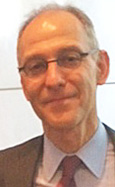
Ezekiel Emanuel
“The dominant factor is total caloric intake,” Emanuel said, noting that prepared foods “are really the heart of our problems.”
Food companies, he said, increase the salt, sugar and fat content in foods to sell them, “not with the goal of making us healthy.”
“We are subject to our genes in that sense,” Emanuel added.
As he worked at the Office of Management and Budget on the Affordable Care Act and as a medical school professor, Emanuel said, “What has struck me is how little we educate both physicians and nurses and chefs about nutrition.”
Throughout classes, internships and residencies, medical schools do very little to educate medical students about health “and even less on how to intersect with their patients” on the subject, he said.
The students learn “nothing on how to change diets, work with patients, the kind of nutrition people should have, except the mantra of fruits and vegetables,” he added.
The effect is so pervasive, he added, that hospitals “do not focus on serving healthy food to the caregivers and the patients.”
Emanuel said he once suggested to a hospital administrator that the institution should serve better quality food, and the administrator replied “this is not the core business of a hospital.”
Chefs, he added, “have very little training in nutrition. Many of them use salt pretty indiscriminately. They don’t calculate calories.”
Emanuel said he is an advocate of families eating meals together because the children from those families experience emotional relationships and interactions that lead to lower caloric intake and reduce obesity.
Parental nutrition habits even before children are born “are literally contagious,” he said.
In his work, Emanuel said he has learned, “We are all lazy — inertia is probably our most important defining feature.”
“We will not change unless worked on by an internal force,” he said. “That is why habits are important. You don’t exercise unless it is a habit. You don’t use the stairs instead of the elevator. You don’t cook at home unless you leave the time in your day to buy the ingredients and do it. We build habits early. Children like sweet things unless we train them differently.”
Emanuel told the Beard conference, “As you talk about nutrition for better health, think about how you are going to get people to change their habits. People will not change because it is the right thing to do.”
Emanuel, former White House health care adviser, is now a professor and vice provost at the University of Pennsylvania.
One third of premature deaths are due to diet, lack of exercise and obesity, Emanuel said in the opening of his speech titled “Understanding the Relationship Between Food and Health.”
About half of those premature deaths are due to tobacco and about half due to exercise and diet, he said.
While the connection between obesity and health is well known, people are less aware that one-third of colon, breast, stomach and esophageal cancers could be prevented with better diets.
Ezekiel Emanuel
“The dominant factor is total caloric intake,” Emanuel said, noting that prepared foods “are really the heart of our problems.”
Food companies, he said, increase the salt, sugar and fat content in foods to sell them, “not with the goal of making us healthy.”
“We are subject to our genes in that sense,” Emanuel added.
As he worked at the Office of Management and Budget on the Affordable Care Act and as a medical school professor, Emanuel said, “What has struck me is how little we educate both physicians and nurses and chefs about nutrition.”
Throughout classes, internships and residencies, medical schools do very little to educate medical students about health “and even less on how to intersect with their patients” on the subject, he said.
The students learn “nothing on how to change diets, work with patients, the kind of nutrition people should have, except the mantra of fruits and vegetables,” he added.
The effect is so pervasive, he added, that hospitals “do not focus on serving healthy food to the caregivers and the patients.”
Emanuel said he once suggested to a hospital administrator that the institution should serve better quality food, and the administrator replied “this is not the core business of a hospital.”
Chefs, he added, “have very little training in nutrition. Many of them use salt pretty indiscriminately. They don’t calculate calories.”
Emanuel said he is an advocate of families eating meals together because the children from those families experience emotional relationships and interactions that lead to lower caloric intake and reduce obesity.
Parental nutrition habits even before children are born “are literally contagious,” he said.
In his work, Emanuel said he has learned, “We are all lazy — inertia is probably our most important defining feature.”
“We will not change unless worked on by an internal force,” he said. “That is why habits are important. You don’t exercise unless it is a habit. You don’t use the stairs instead of the elevator. You don’t cook at home unless you leave the time in your day to buy the ingredients and do it. We build habits early. Children like sweet things unless we train them differently.”
Emanuel told the Beard conference, “As you talk about nutrition for better health, think about how you are going to get people to change their habits. People will not change because it is the right thing to do.”
