BlackRock executive: Investors should seek returns in rural America
July 24, 2014 | 06:53 PM
Investors should put more of their money into projects in rural America because they are not generating high enough returns in traditional investments, a key Wall Street investment banker said today at a White House Rural Council conference.
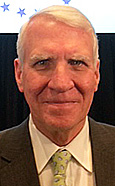 Kendrick Wilson
The issue facing corporate pension plans, endowments and other institutional investors is “not too much risk but that they do not have enough income available to meet their future income needs,” said Kendrick Wilson, a vice chairman of BlackRock, the New York City-based global investment management company.
“These projects provide an important opportunity for returns,” Wilson said in a keynote speech on the second day of the White House Rural Opportunity Investment Conference.
The White House organized the conference to show investors there are opportunities in rural America because Congress has been unable to provide a steady stream of money to meet the infrastructure needs of rural America, Agriculture Secretary Tom Vilsack said.
Wilson emphasized that aggregating rural infrastructure projects can make them more interesting to investors who would not consider backing a water and sewer project in a single town.
The issue, he said, is “intermediation,” a financial services term for matching lenders with savings to borrowers who need money by an agent or third party.
“It is easier for investors to invest in urban markets,” Wilson said. “That doesn’t mean rural businesses don’t deserve the capital.”
But he added that “investors have a lot to learn about rural America” and that the Agriculture Department “needs strong local partners” to tell the story.
“To achieve these goals rural America needs to get the attention of investors and investors will have to be more creative,” Wilson said.
“Luckily the appetite for infrastructure investment is growing,” he said, because pension funds and insurers are turning to infrastructure due to problems in the bond market, he added. Those types of investors can tolerate a long timeline for returns, Wilson noted.
Counties with oil and gas have experienced a 15 percent growth rate in employment in recent years compared to other counties where growth has been 4 percent, he said, but adding that even the oil and gas counties are limited by their infrastructure.
“As good as growth is, it is limited by the quality of infrastructure,” he said.
Aggregating rural infrastructure projects can also lead to cheaper and more efficient competitive bidding projects, he said.
While projects to provide water, waste treatment plants, smoother roads and faster broadband are vital, it’s also important to create a positive climate for business, he said.
Noting that rural America has lost 80,000 people in recent years, Wilson said that “population loss is a vicious cycle” because it leads to fewer opportunities.
“Our goal should be to plant the seeds of growth,” said Wilson, who lives in New York City but is on the board of the Montana Land Alliance.
