Turkey growers warn of propane shortage impact
May 02, 2014 | 05:22 PM
The propane industry and the government need to take action soon or the country will face an even worse propane shortage next winter than it did this past season, a Minnesota turkey grower testified Thursday before the Senate Energy and Natural Resources Committee.
Noting that more than 20 governors had declared a state of emergency over last winter’s shortage and high prices, John Zimmerman, a turkey farmer from Northfield, Minn., and past president of the Minnesota Turkey Growers Association said, “Winter, unfortunately, will be here before we know it and the potential for shortages, by all estimates, are going to get worse if significant steps are not taken soon.”
Zimmerman also thanked Sen. Al Franken, D-Minn., for his attention to the issue. Franken asked Senate Energy and Natural Resources Committee Chairwoman Mary Landrieu, D-La., to hold the hearing and chaired a portion of it.
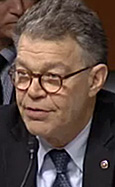
Sen. Al Franken, D-Minn.
Franken noted that the problem in Minnesota was not just with the turkey industry, but with heating for 250,000 homes. The shortage was “ a huge issue” in Minnesota, he said, “as demand soared as supplies dwindled.”
Franken said that the Obama administration had released increased Low-Income Home Energy Assistance Program money in response to his request and that federal agencies also insisted on the transportation of propane.
Landrieu also noted that the problem was not just in the Midwest. In northern Louisiana, she said, households were without propane or had to pay high prices.
Zimmerman and other witnesses said that a variety of issues caused the shortage and the price spikes: low propane supplies, the need for propane to dry an unusually large corn crop, the scheduled maintenance shutdown of the Cochin pipeline which originates in Canada and has delivered propane to the Midwest, and unusually cold winter weather.

John Zimmerman
“It is safe to estimate that in Minnesota the turkey industry saw propane use increase by over 30 percent from last winter,” Zimmerman said.
“So when we saw propane prices go from $1.30 per gallon to $5 per gallon in a few short weeks you can see the impacts dug deep into our profit margins. This past winter alone, the Minnesota turkey industry saw an increase of over $ 25 million more in heating related input costs over the previous year. That is real money to farmers like me that operate on very thin margins.”
Lowering temperatures in barns, he added, “caused a loss of production efficiency and concerns over potential animal welfare issues.”
The Cochin pipeline is expected to shift to moving other fuel, which will make the problem worse this winter.
“There is currently no way to easily make up the loss of 80 million barrels that were provided by the Cochin pipeline,” Zimmerman said. “With rail and truck delivery being much less reliable, comprehensive discussion must begin on how we ensure safe and timely deliveries to avoid the scare that caused the massive spikes in pricing and the dangerous conditions for the Midwest.”
Zimmerman suggested that Congress direct the Federal Energy Regulatory Commission or another agency to establish an advanced notification system for end users when supplies or inventory drop below certain levels, that government develop “an appropriate trigger” for government intervene to prioritize shipments, ease permitting for expanded propane storage, and establish a long-term response plan.

Melanie Kenderdine
The basic problem is that the location of energy production in the United States has shifted dramatically and that the infrastructure and transportation system has not caught up with the changes, said Melanie Kenderdine, director of the office of Energy Policy and Systems Analysis at the Energy Department.
Kenderdine noted that the Energy Department is conducting its Quadrennial Energy Review and that the review will include an analysis of rail, barge and truck transportation for energy.
The hearing was an attempt to gather information on the causes of the shortage and bring proposals forward. It is unclear what action the committee or Congress may take on the issue.
▪ John Zimmerman, Minnesota Turkey Growers Association ▪ Melanie Kenderdine, Department of Energy ▪ Nils Nichols, Federal Energy Regulatory Commission ▪ Andrew Black, Association of Oil Pipe Lines ▪ Joe Cordill, Cordill Propane Service ▪ Gary France, France Propane Service
Noting that more than 20 governors had declared a state of emergency over last winter’s shortage and high prices, John Zimmerman, a turkey farmer from Northfield, Minn., and past president of the Minnesota Turkey Growers Association said, “Winter, unfortunately, will be here before we know it and the potential for shortages, by all estimates, are going to get worse if significant steps are not taken soon.”
Zimmerman also thanked Sen. Al Franken, D-Minn., for his attention to the issue. Franken asked Senate Energy and Natural Resources Committee Chairwoman Mary Landrieu, D-La., to hold the hearing and chaired a portion of it.
Sen. Al Franken, D-Minn.
Franken noted that the problem in Minnesota was not just with the turkey industry, but with heating for 250,000 homes. The shortage was “ a huge issue” in Minnesota, he said, “as demand soared as supplies dwindled.”
Franken said that the Obama administration had released increased Low-Income Home Energy Assistance Program money in response to his request and that federal agencies also insisted on the transportation of propane.
Landrieu also noted that the problem was not just in the Midwest. In northern Louisiana, she said, households were without propane or had to pay high prices.
Zimmerman and other witnesses said that a variety of issues caused the shortage and the price spikes: low propane supplies, the need for propane to dry an unusually large corn crop, the scheduled maintenance shutdown of the Cochin pipeline which originates in Canada and has delivered propane to the Midwest, and unusually cold winter weather.
John Zimmerman
“It is safe to estimate that in Minnesota the turkey industry saw propane use increase by over 30 percent from last winter,” Zimmerman said.
“So when we saw propane prices go from $1.30 per gallon to $5 per gallon in a few short weeks you can see the impacts dug deep into our profit margins. This past winter alone, the Minnesota turkey industry saw an increase of over $ 25 million more in heating related input costs over the previous year. That is real money to farmers like me that operate on very thin margins.”
Lowering temperatures in barns, he added, “caused a loss of production efficiency and concerns over potential animal welfare issues.”
The Cochin pipeline is expected to shift to moving other fuel, which will make the problem worse this winter.
“There is currently no way to easily make up the loss of 80 million barrels that were provided by the Cochin pipeline,” Zimmerman said. “With rail and truck delivery being much less reliable, comprehensive discussion must begin on how we ensure safe and timely deliveries to avoid the scare that caused the massive spikes in pricing and the dangerous conditions for the Midwest.”
Zimmerman suggested that Congress direct the Federal Energy Regulatory Commission or another agency to establish an advanced notification system for end users when supplies or inventory drop below certain levels, that government develop “an appropriate trigger” for government intervene to prioritize shipments, ease permitting for expanded propane storage, and establish a long-term response plan.
Melanie Kenderdine
The basic problem is that the location of energy production in the United States has shifted dramatically and that the infrastructure and transportation system has not caught up with the changes, said Melanie Kenderdine, director of the office of Energy Policy and Systems Analysis at the Energy Department.
Kenderdine noted that the Energy Department is conducting its Quadrennial Energy Review and that the review will include an analysis of rail, barge and truck transportation for energy.
The hearing was an attempt to gather information on the causes of the shortage and bring proposals forward. It is unclear what action the committee or Congress may take on the issue.
Hearing Testimony
▪ John Zimmerman, Minnesota Turkey Growers Association ▪ Melanie Kenderdine, Department of Energy ▪ Nils Nichols, Federal Energy Regulatory Commission ▪ Andrew Black, Association of Oil Pipe Lines ▪ Joe Cordill, Cordill Propane Service ▪ Gary France, France Propane Service
