New York marketer chairs National Biodiesel Board; effort to push Bioheat heating fuel intensifies
January 23, 2014 | 04:12 PM
SAN DIEGO — The very idea of biodiesel conjures up images of soybean farmers, rural production plants, farm equipment and pickup trucks.
But in a move that fits in with the biodiesel industry’s quest to gain more acceptance of its products in both home heating oil and urban vehicle fleets, the National Biodiesel Board in November chose Stephen Levy, a New York-based energy marketing executive, as its chairman.
At present, vehicles and off-road equipment use about 87 percent of the biodiesel sold in the United States and heating oil absorbs 13 percent, according to NBB. A lot of heating oil that contains biodiesel uses only 2 percent biodiesel, although the market accepts up to 5 percent, but the industry is trying to a 20 percent blend accepted by 2015, NBB said.
U.S. government agencies have said that biodiesel produces less greenhouse gas emissions than traditional diesel.
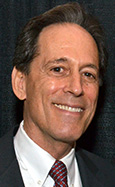
Stephen Levy
Levy, an executive with Sprague, Operating Resources LLC, one of the Northeast’s largest independent suppliers of energy services, home heating oil and diesel fuels, noted at the NBB annual convention here this week that he is the first non-farmer and non-producer to chair the organization.
In his presentation, Levy went to great pains to tell the farmer and producer-dominated audience that even though he did not have farm roots, “We have so much in common.”
He noted that in the early 1930s his grandfather sold fruits and vegetables from a donkey cart in Harlem, and then got a slot at the Bronx Terminal Market built in 1935 across from Yankee Stadium. After World War II, Levy’s father joined the business and often brought his son, who was born in the borough of Queens, along to work.
“As a child I got an appreciation of farmers and how smart and educated they had to be,” he told conference attendees.
In his career in the petroleum business, Levy said, he has always gravitated toward innovation and pioneered the introduction of ultra-low sulfur diesel fuel in the United States.
Sprague has spearheaded the introduction of compressed natural gas (CNG), biodiesel, Bioheat, a low-sulfur blend of biodiesel and heating oil, and E85 ethanol in the Northeast.
Levy, who has been active in NBB since 2004, said the entire industry owes a debt to the farmers who started the organization because “they envisioned an industry that didn’t exist.”
He also noted that his selection as chairman signals the diversity of people who make up the biodiesel industry. He pledged to fight for changes to the Renewable Fuel Standard and re-establishment of the expired biodiesel tax credit.
“We are still young in a growing industry that needs government support to grow to the next level,” Levy said.
But he also noted that NBB has had some “wins” at the state level in encouraging use of biodiesel in heating oil.
In December Levy participated in NBB’s efforts to talk to New York City officials and others in the region about the use of biodiesel in heating oil and in New York City’s vehicle fleet.
New York uses more heating oil than any other state, and New York City’s vehicle fleet is the largest in the country, making them a much bigger market for biodiesel and Bioheat than many rural Americans may realize.
Last year Levy testified before the New York City Council committees on Environmental Protection and Sanitation and Solid Waste Management when they met to discuss plans for reducing emissions from the city’s fleet — including possible biodiesel mandates for all of the city’s diesel vehicles, according to City Limits, a news agency.
“There are dozens of suppliers, there has been a great history of using biodiesel of many blends and concentrations, not just here within the city, but throughout the country and it is a proven product,” Levy said.
Biodiesel is made from soybean oil, recycled grease and other fats and oils. It is the first and only Environmental Protection Agency-designated advanced biofuel being produced on a commercial scale across the country.
But in a move that fits in with the biodiesel industry’s quest to gain more acceptance of its products in both home heating oil and urban vehicle fleets, the National Biodiesel Board in November chose Stephen Levy, a New York-based energy marketing executive, as its chairman.
At present, vehicles and off-road equipment use about 87 percent of the biodiesel sold in the United States and heating oil absorbs 13 percent, according to NBB. A lot of heating oil that contains biodiesel uses only 2 percent biodiesel, although the market accepts up to 5 percent, but the industry is trying to a 20 percent blend accepted by 2015, NBB said.
U.S. government agencies have said that biodiesel produces less greenhouse gas emissions than traditional diesel.
Stephen Levy
Levy, an executive with Sprague, Operating Resources LLC, one of the Northeast’s largest independent suppliers of energy services, home heating oil and diesel fuels, noted at the NBB annual convention here this week that he is the first non-farmer and non-producer to chair the organization.
In his presentation, Levy went to great pains to tell the farmer and producer-dominated audience that even though he did not have farm roots, “We have so much in common.”
He noted that in the early 1930s his grandfather sold fruits and vegetables from a donkey cart in Harlem, and then got a slot at the Bronx Terminal Market built in 1935 across from Yankee Stadium. After World War II, Levy’s father joined the business and often brought his son, who was born in the borough of Queens, along to work.
“As a child I got an appreciation of farmers and how smart and educated they had to be,” he told conference attendees.
In his career in the petroleum business, Levy said, he has always gravitated toward innovation and pioneered the introduction of ultra-low sulfur diesel fuel in the United States.
Sprague has spearheaded the introduction of compressed natural gas (CNG), biodiesel, Bioheat, a low-sulfur blend of biodiesel and heating oil, and E85 ethanol in the Northeast.
Levy, who has been active in NBB since 2004, said the entire industry owes a debt to the farmers who started the organization because “they envisioned an industry that didn’t exist.”
He also noted that his selection as chairman signals the diversity of people who make up the biodiesel industry. He pledged to fight for changes to the Renewable Fuel Standard and re-establishment of the expired biodiesel tax credit.
“We are still young in a growing industry that needs government support to grow to the next level,” Levy said.
But he also noted that NBB has had some “wins” at the state level in encouraging use of biodiesel in heating oil.
In December Levy participated in NBB’s efforts to talk to New York City officials and others in the region about the use of biodiesel in heating oil and in New York City’s vehicle fleet.
New York uses more heating oil than any other state, and New York City’s vehicle fleet is the largest in the country, making them a much bigger market for biodiesel and Bioheat than many rural Americans may realize.
Last year Levy testified before the New York City Council committees on Environmental Protection and Sanitation and Solid Waste Management when they met to discuss plans for reducing emissions from the city’s fleet — including possible biodiesel mandates for all of the city’s diesel vehicles, according to City Limits, a news agency.
“There are dozens of suppliers, there has been a great history of using biodiesel of many blends and concentrations, not just here within the city, but throughout the country and it is a proven product,” Levy said.
Biodiesel is made from soybean oil, recycled grease and other fats and oils. It is the first and only Environmental Protection Agency-designated advanced biofuel being produced on a commercial scale across the country.
