Farm bill conferees consider dairy compromise
January 09, 2014 | 06:25 PM
Farm bill conferees are considering a proposal that would give producers a choice between a continuation of the current Milk Income Loss Contract payments or the new margin insurance program but without the section that the dairy farmers call market stabilization and the processors call supply management, The Hagstrom Report has learned, even as Reps. Bob Goodlatte, R-Va., and David Scott, D-Ga., urged the conferees to adopt their amendment to eliminate supply management that the House adopted in its bill.
The compromise proposal originated with Cameron Thraen, a professor at The Ohio State University, and John Newton, an OSU doctoral degree candidate, said the source, who noted that the small dairy farmers would be more likely to continue MILC payments while the large producers would opt for the margin insurance because they have gotten only limited assistance under the MILC program, which limits the amount of production on which payments are made.
The offices of House Agriculture Committee Chairman Frank Lucas, R-Okla., Senate Agriculture Committee Chairman Debbie Stabenow, D-Mich., and Senate Agriculture Committee ranking member Thad Cochran, R-Miss., did not immediately return requests for comment. A spokeswoman for House Agriculture ranking member Collin Peterson, D-Minn., said she could not comment on negotiations.
The National Milk Producers Federation, which represents the dairy farmers, did not respond to a request for comment.
Jerry Slominski, a vice president of the International Dairy Foods Association, which represents the processors and has opposed supply management, said IDFA had nothing to do with the proposal from the two professors but finds it “acceptable.”
Meanwhile, Goodlatte and Scott sent the four principal negotiators a letter urging them to accept their House-passed amendment.

Rep. Bob Goodlatte, R-Va.
“The House of Representatives’ resounding rejection of supply management provisions in the dairy title of the farm bill speaks loud and clear,” Goodlatte said in a news release.
“More than 140 diverse groups have joined with 291 House members, including 95 Democrats, in voicing their opposition to supply management,” Goodlatte said.
“A supply control program that will directly intervene in markets and increase milk prices will ultimately hurt dairy producers and consumers. As the conferees continue their work, I urge them to remember the House vote and adopt the House-passed Goodlatte-Scott amendment as part of the final farm bill.”
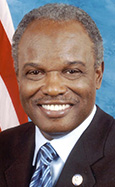
Rep. David Scott, D-Ga.
“Unfortunately the media is portraying the current dairy policy debate as a struggle solely between Speaker Boehner and ranking member Peterson,” said Scott.
“Nothing could be further from the truth. The overwhelming bipartisan vote count on the Goodlatte-Scott amendment, which passed 291-135 with 95 Democratic votes, was a clear and strong statement of the will of the entire House on this issue.”
“To that end, farm bill conferees should honor the House vote and insist on inclusion of the Goodlatte-Scott amendment in the final conference report on the farm bill,” Scott said.
“The Goodlatte-Scott amendment as embodied in the House dairy title of the farm bill represents bipartisan compromise that protects dairy farmers as well as restaurants, food processors, grocery stores and most importantly consumers.”

Sen. Mike Johanns, R-Neb.
Sen. Mike Johanns, R-Neb., said today he was surprised the dairy issues had resurfaced, adding he thought those had been resolved before the Christmas break, DTN reported.
“My impression was the dairy issue was put to bed,” Johanns told reporters.
Besides the supply management issue in dairy, Johanns said conferees also remain at odds over payment limits on farm programs.
“They are always controversial. They tend to pit certain crops against certain crops and certain regions against certain regions. Those two issues, I think are holding this up.”
If the bill isn’t ready to go to the floor next week, Johanns said the final conference report likely would not be out until senators return to Washington at the end of the month after the Martin Luther King holiday break.
“You will not see a farm bill put out until we are about ready to come back and act on it,” he said. “I have been expecting all along that we are going to have very few days to look at this farm bill before it comes up for House action and then Senate action.”

Sen. Tom Harkin, D-Iowa
Sen. Tom Harkin, D-Iowa, said in a separate call that “a more definitive statement on the farm bill” is likely next week, DTN said
Harkin said a delay isn’t too much of a concern even if deliberations carry into next week or January 20, the week of the MLK holiday. The bill would then be completed in early February.
“I don’t think that would be absolutely fatal,” he said.
Harkin indicated Boehner could have his hands full trying to sway Peterson and Sen. Pat Leahy, D-Vt., to surrender on any dairy issues.
“All I know is that Minnesota will protect its dairy program,” Harkin said.
“I’ve been through this before, so I can assume Collin Peterson is going to fight hard for his dairy program and he will link arms with Pat Leahy on this, who has been on this too. They usually come through.”
The compromise proposal originated with Cameron Thraen, a professor at The Ohio State University, and John Newton, an OSU doctoral degree candidate, said the source, who noted that the small dairy farmers would be more likely to continue MILC payments while the large producers would opt for the margin insurance because they have gotten only limited assistance under the MILC program, which limits the amount of production on which payments are made.
The offices of House Agriculture Committee Chairman Frank Lucas, R-Okla., Senate Agriculture Committee Chairman Debbie Stabenow, D-Mich., and Senate Agriculture Committee ranking member Thad Cochran, R-Miss., did not immediately return requests for comment. A spokeswoman for House Agriculture ranking member Collin Peterson, D-Minn., said she could not comment on negotiations.
The National Milk Producers Federation, which represents the dairy farmers, did not respond to a request for comment.
Jerry Slominski, a vice president of the International Dairy Foods Association, which represents the processors and has opposed supply management, said IDFA had nothing to do with the proposal from the two professors but finds it “acceptable.”
Meanwhile, Goodlatte and Scott sent the four principal negotiators a letter urging them to accept their House-passed amendment.
Rep. Bob Goodlatte, R-Va.
“The House of Representatives’ resounding rejection of supply management provisions in the dairy title of the farm bill speaks loud and clear,” Goodlatte said in a news release.
“More than 140 diverse groups have joined with 291 House members, including 95 Democrats, in voicing their opposition to supply management,” Goodlatte said.
“A supply control program that will directly intervene in markets and increase milk prices will ultimately hurt dairy producers and consumers. As the conferees continue their work, I urge them to remember the House vote and adopt the House-passed Goodlatte-Scott amendment as part of the final farm bill.”
Rep. David Scott, D-Ga.
“Unfortunately the media is portraying the current dairy policy debate as a struggle solely between Speaker Boehner and ranking member Peterson,” said Scott.
“Nothing could be further from the truth. The overwhelming bipartisan vote count on the Goodlatte-Scott amendment, which passed 291-135 with 95 Democratic votes, was a clear and strong statement of the will of the entire House on this issue.”
“To that end, farm bill conferees should honor the House vote and insist on inclusion of the Goodlatte-Scott amendment in the final conference report on the farm bill,” Scott said.
“The Goodlatte-Scott amendment as embodied in the House dairy title of the farm bill represents bipartisan compromise that protects dairy farmers as well as restaurants, food processors, grocery stores and most importantly consumers.”
Sen. Mike Johanns, R-Neb.
Sen. Mike Johanns, R-Neb., said today he was surprised the dairy issues had resurfaced, adding he thought those had been resolved before the Christmas break, DTN reported.
“My impression was the dairy issue was put to bed,” Johanns told reporters.
Besides the supply management issue in dairy, Johanns said conferees also remain at odds over payment limits on farm programs.
“They are always controversial. They tend to pit certain crops against certain crops and certain regions against certain regions. Those two issues, I think are holding this up.”
If the bill isn’t ready to go to the floor next week, Johanns said the final conference report likely would not be out until senators return to Washington at the end of the month after the Martin Luther King holiday break.
“You will not see a farm bill put out until we are about ready to come back and act on it,” he said. “I have been expecting all along that we are going to have very few days to look at this farm bill before it comes up for House action and then Senate action.”
Sen. Tom Harkin, D-Iowa
Sen. Tom Harkin, D-Iowa, said in a separate call that “a more definitive statement on the farm bill” is likely next week, DTN said
Harkin said a delay isn’t too much of a concern even if deliberations carry into next week or January 20, the week of the MLK holiday. The bill would then be completed in early February.
“I don’t think that would be absolutely fatal,” he said.
Harkin indicated Boehner could have his hands full trying to sway Peterson and Sen. Pat Leahy, D-Vt., to surrender on any dairy issues.
“All I know is that Minnesota will protect its dairy program,” Harkin said.
“I’ve been through this before, so I can assume Collin Peterson is going to fight hard for his dairy program and he will link arms with Pat Leahy on this, who has been on this too. They usually come through.”
- Farmdoc Daily — The Land of ‘MILC and Honey’
- Farmdoc Daily — The Dairy Safety Net Debate of 2013 Part I: Questions and Answers
- Farmdoc Daily — The Dairy Safety Net Debate of 2013 Part II: Questions and Answers
- Goodlatte-Scott letter to farm bill conference committee leaders
- H.R. 1741 — Dairy Freedom Act (Goodlatte-Scott amendment)
