International Sugar Organization director reflects on global supply as he prepares to retire
August 16, 2013 | 03:27 PM
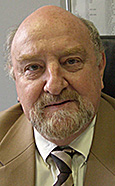
Peter Baron
NAPA, Calif. — The world has more sugar than it needs today, but will need a bigger supply by 2020, according to Peter Baron, the outgoing executive director of the London-based International Sugar Organization.
“The accumulated world sugar surplus over the last three seasons has taken the global stocks-to-consumption ratio to above 40 percent for the first time since 2007-08,” Baron told the American Sugar Alliance’s International Sweetener Symposium here last week. “The resulting low sugar prices should continue for the foreseeable future as a result.”
But Baron added, “In the long run the world needs more sugar. By 2020 China will increase imports massively.”
In an interview, Baron reflected on the ISO, which he has run since 1994, and on the worldwide sugar industry. The ISO was set up to manage the International Sugar Agreement, which was supposed to manage world sugar exports, but in the early 1990s the agreement fell apart.
Baron, whose career had been with the German agriculture ministry, took over the ISO when its finances were at a low point, and its future role uncertain.
Baron refashioned the organization, turning it into a forum for improving the sugar industry worldwide with debate, discussions, publications and seminars. He said he is proud of his efforts to encourage diversification in the use of sugar, particularly for renewable fuels, and to aid developing countries in modernizing their sugar industries.
The sugar cane industry has “a trump card” in ethanol, Baron said, because ethanol can be produced from cane “the lowest cost per hectare and the best CO2 footprint.”
When he started promoting the diversification of sugar, he said, only Brazil was producing ethanol, but today 30 countries have ethanol programs. Baron noted that he has told the countries that ethanol needs government support, blending mandates and that “you have to force the oil industry to blend.”
Baron declined to comment on the sugar policies in individual countries, but said despite the current surpluses, “In the long run I am extremely optimistic about the sugar and the ethanol industry. There might be problems and short term blips, but in the long run I am optimistic. There are good opportunities and it is an industry that can adapt and modernize. I am not afraid for them.”
Membership in the ISO has grown from 35 to 86 countries, with an increase in Africa from eight to 19 countries as members.
“The last 20 years have been some of the most fulfilling of my career,” Baron said. “It has been meaningful. The lion’s share of our members are developing countries and they need our help.”
Baron doesn’t think highly of governmental efforts to discourage sugar consumption.
“This is all artificial drama, if you ask me,” Baron said. “People don’t care too much about it. People just love sugar. Sugar makes things more palatable, it is pleasant, it puts you in a good mood — like cocoa increases your sexual desire and pleasures.”
But Baron said his biggest “defeat” is being unable to convince the United States government that the $150,000 annual membership fee in the ISO would be worth it.
U.S. growers and sweetener users united to urge the U.S. government to join, but both the George W. Bush and Barack Obama administrations said no.
The Agriculture Department was in favor of joining, but the State Department, which has final say over U.S. membership in international organizations said no, according to Jack Roney, the chief economist for the American Sugar Alliance.
The U.S. industry participates in meetings, and Roney will speak at the ISO seminar in London in November. But since the ISO is an organization of governments, the United States does not have an official delegate.
Baron is now preparing for retirement. His second wife, a Norwegian, died last year, and he will move back to Bavaria, where his children live. But he is somewhat worried about what he will do in retirement.
“My job was always a hobby,” Baron said.
