Sugar program incurs cost as Mexican imports surge
August 14, 2013 | 01:06 PM
NAPA, Calif. — With Mexican sugar exports to the United States surging, the U.S. government goal of a no-cost sugar program is not feasible in the near future, but government officials and grower industry leaders said here last week that they are determined to operate the program at as low a cost to taxpayers as
possible.
The U.S. sugar program, as authorized under the 2008 farm bill and reauthorized by both the House and Senate in farm bills now under consideration in Congress, attempts to maintain a balance between production and consumption through a system of cane and beet production quotas and limits on imports.
But growers have the right to take out government loans on their sugar and if the price falls below certain levels to forfeit that sugar to the government rather than repay the loans. The 2008 farm bill also provided for programs under which the Agriculture Department can buy sugar, including a feedstock flexibility program that permits the government to buy sugar and sell it cheaply to ethanol producers.
Between 2003 and 2012, sugar prices were so high that the government did not incur any significant costs. But under the North American Free Trade Agreement, Mexico has the right to export unlimited amounts of sugar to the United States, and with a big crop this year has sent 1.9 millions tons northward, leading to U.S. prices to fall near forfeiture levels.
The Agriculture Department has spent $50.7 million to take sugar off the market, and officials are contemplating using the feedstock flexibility program to take more sugar off the market. These expenditures have been made to avoid forfeitures, which would be even more expensive.

Michael Scuse
“Mexico functions almost like an extra state,” Michael Scuse, the Agriculture undersecretary for farm and foreign agricultural services, told the International Sweetener Symposium, a conference sponsored by the American Sugar Alliance, the organization of beet and cane growers.
Scuse noted that while U.S. growers are subject to production limits, under NAFTA Mexico can produce an unlimited amount of sugar and ship it to the United States and sell it at U.S. prices, which at the moment makes it impossible for USDA to follow the congressional intent to operate the program on a no-cost basis.
Scuse said U.S. officials “are trying to work with Mexicans to return the market to balance and profitability.” But in the meantime will operate the program at as little cost as possible.
Candy companies and other industrial sugar users, which have long complained that the sugar program forces them to pay higher prices for sugar, have said that the prospect of government expenditures is another reason for Congress to change the program.

Larry Graham
Larry Graham, president of the National Confectioners Association, acknowledged here that the Sweetener Users Association had lost that battle when both the House and the Senate passed reauthorizations of the sugar program. Passage in both houses should mean that the sugar program is not conferenceable, but Graham noted that Congress has not completed the conference report.

Jack Roney
Graham said that the sweetener users’ proposal was only a “modest reform,” but Jack Roney, the ASA director of economics and policy analysis, said that the users’ proposal to revert to a loan price established in 1985 and to make it more difficult for USDA to limit imports would “mandate chronic oversupply” and put many U.S. sugar producers out of business.
But sugar grower officials said that the federal expenditures on sugar this year would be minor compared to what the government has spent on other commodities over the past decade.
“U.S. sugar policy will have a small cost because Mexico is dumping unneeded subsidized sugar on the U.S. market and artificially depressing prices,” ASA spokesman Phillip Hayes told The Hagstrom Report.
“This is the first time since 2002 sugar policy has cost a dime, making it the cheapest major commodity program,” Hayes said. “This cost was not unexpected and Congress anticipated unneeded Mexican sugar flooding the market when it wrote the current farm bill. That’s why Congress gave the USDA flexibility to help avoid loan forfeitures and minimize taxpayer cost.”
“To date, these tools have helped the USDA avoid nearly $80 million in taxpayers expense,” he said. “Since taking hold in 2008, U.S. sugar policy has continually come in under CBO estimates.”
Sugar policy represents one-half of 1 percent of farm program outlays this year, and farm programs represent less than one-quarter-of-one percent of the federal budget, Hayes said.
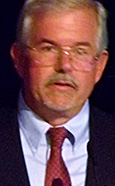
Daniel Colaccio
Daniel Colaccio, the director of dairy and sweeteners analysis at USDA’s Farm Service Agency, said, “We sill think the current situation we are in is temporary. We would like to hang on to that optimism.”
Barbara Fecso, the economist for dairy and sweeteners analysis at FSA, noted that oversupplies had been predicted when as NAFTA became law, but that weather and other events had kept prices high for years.

Barbara Fesco
“We all go through life and we come across one extreme or another and we make adjustments and settle into that equilibrium position,” Fecso said.
Mexican sugar industry officials said they do not expect their crop to be as big next year as this year — although sugar analysts are predicting Mexico”s second biggest crop.
The USDA officials and sugar grower leaders said that the best way to bring sugar in the United States and Mexico back into equilibrium between supply and demand would be cooperation on a sugar program, but that such cooperation would take years to achieve.

Mike Gorrell
One of the big issues that is putting pressure on Mexico to export more sugar to the United States is U.S. exports of high-fructose corn syrup to Mexico, which is reducing sugar demand in that country, noted Mike Gorrell, head of the the Imperial Sugar Company, a unit of Louis Dreyfus Commodities in Port Wentworth, Ga.
“In the face of declining domestic demand, the U.S. high-fructose corn syrup industry has needed incremental demand to fill its marginal production capacity,” Gorrell said. “Mexico has been the market of choice, with the industry exporting HFCS to Mexico at significant discounts to its U.S. published list prices.”
He suggested that one way for the industry to adjust is to increase the stocks-to-use ratio, which has declined as buyers have gotten use to just-in-time deliveries. Gorell said bigger stocks would prevent price spikes when there are shortages, but other sugar industry officials say the stocks would overhang the market and keep prices low.
“NAFTA supply volatility is here to stay,” Gorell said, adding that the question now is “how shall we better manage it?”
possible.
The U.S. sugar program, as authorized under the 2008 farm bill and reauthorized by both the House and Senate in farm bills now under consideration in Congress, attempts to maintain a balance between production and consumption through a system of cane and beet production quotas and limits on imports.
But growers have the right to take out government loans on their sugar and if the price falls below certain levels to forfeit that sugar to the government rather than repay the loans. The 2008 farm bill also provided for programs under which the Agriculture Department can buy sugar, including a feedstock flexibility program that permits the government to buy sugar and sell it cheaply to ethanol producers.
Between 2003 and 2012, sugar prices were so high that the government did not incur any significant costs. But under the North American Free Trade Agreement, Mexico has the right to export unlimited amounts of sugar to the United States, and with a big crop this year has sent 1.9 millions tons northward, leading to U.S. prices to fall near forfeiture levels.
The Agriculture Department has spent $50.7 million to take sugar off the market, and officials are contemplating using the feedstock flexibility program to take more sugar off the market. These expenditures have been made to avoid forfeitures, which would be even more expensive.
Michael Scuse
“Mexico functions almost like an extra state,” Michael Scuse, the Agriculture undersecretary for farm and foreign agricultural services, told the International Sweetener Symposium, a conference sponsored by the American Sugar Alliance, the organization of beet and cane growers.
Scuse noted that while U.S. growers are subject to production limits, under NAFTA Mexico can produce an unlimited amount of sugar and ship it to the United States and sell it at U.S. prices, which at the moment makes it impossible for USDA to follow the congressional intent to operate the program on a no-cost basis.
Scuse said U.S. officials “are trying to work with Mexicans to return the market to balance and profitability.” But in the meantime will operate the program at as little cost as possible.
Candy companies and other industrial sugar users, which have long complained that the sugar program forces them to pay higher prices for sugar, have said that the prospect of government expenditures is another reason for Congress to change the program.
Larry Graham
Larry Graham, president of the National Confectioners Association, acknowledged here that the Sweetener Users Association had lost that battle when both the House and the Senate passed reauthorizations of the sugar program. Passage in both houses should mean that the sugar program is not conferenceable, but Graham noted that Congress has not completed the conference report.
Jack Roney
Graham said that the sweetener users’ proposal was only a “modest reform,” but Jack Roney, the ASA director of economics and policy analysis, said that the users’ proposal to revert to a loan price established in 1985 and to make it more difficult for USDA to limit imports would “mandate chronic oversupply” and put many U.S. sugar producers out of business.
But sugar grower officials said that the federal expenditures on sugar this year would be minor compared to what the government has spent on other commodities over the past decade.
“U.S. sugar policy will have a small cost because Mexico is dumping unneeded subsidized sugar on the U.S. market and artificially depressing prices,” ASA spokesman Phillip Hayes told The Hagstrom Report.
“This is the first time since 2002 sugar policy has cost a dime, making it the cheapest major commodity program,” Hayes said. “This cost was not unexpected and Congress anticipated unneeded Mexican sugar flooding the market when it wrote the current farm bill. That’s why Congress gave the USDA flexibility to help avoid loan forfeitures and minimize taxpayer cost.”
“To date, these tools have helped the USDA avoid nearly $80 million in taxpayers expense,” he said. “Since taking hold in 2008, U.S. sugar policy has continually come in under CBO estimates.”
Sugar policy represents one-half of 1 percent of farm program outlays this year, and farm programs represent less than one-quarter-of-one percent of the federal budget, Hayes said.
Daniel Colaccio
Daniel Colaccio, the director of dairy and sweeteners analysis at USDA’s Farm Service Agency, said, “We sill think the current situation we are in is temporary. We would like to hang on to that optimism.”
Barbara Fecso, the economist for dairy and sweeteners analysis at FSA, noted that oversupplies had been predicted when as NAFTA became law, but that weather and other events had kept prices high for years.
Barbara Fesco
“We all go through life and we come across one extreme or another and we make adjustments and settle into that equilibrium position,” Fecso said.
Mexican sugar industry officials said they do not expect their crop to be as big next year as this year — although sugar analysts are predicting Mexico”s second biggest crop.
The USDA officials and sugar grower leaders said that the best way to bring sugar in the United States and Mexico back into equilibrium between supply and demand would be cooperation on a sugar program, but that such cooperation would take years to achieve.
Mike Gorrell
One of the big issues that is putting pressure on Mexico to export more sugar to the United States is U.S. exports of high-fructose corn syrup to Mexico, which is reducing sugar demand in that country, noted Mike Gorrell, head of the the Imperial Sugar Company, a unit of Louis Dreyfus Commodities in Port Wentworth, Ga.
“In the face of declining domestic demand, the U.S. high-fructose corn syrup industry has needed incremental demand to fill its marginal production capacity,” Gorrell said. “Mexico has been the market of choice, with the industry exporting HFCS to Mexico at significant discounts to its U.S. published list prices.”
He suggested that one way for the industry to adjust is to increase the stocks-to-use ratio, which has declined as buyers have gotten use to just-in-time deliveries. Gorell said bigger stocks would prevent price spikes when there are shortages, but other sugar industry officials say the stocks would overhang the market and keep prices low.
“NAFTA supply volatility is here to stay,” Gorell said, adding that the question now is “how shall we better manage it?”
