Senate Ag hearing airs concerns about Smithfield sale
July 10, 2013 | 11:53 PM
Senate Agriculture Committee Chairman Debbie Stabenow, D-Mich., other senators and witnesses today raised many concerns about the proposed sale of Smithfield Foods to Shuanghui International, a Chinese company.
But it remained unclear whether the committee or a Treasury Department committee charged with examining foreign investment in the United States is likely to take any action on the sale.
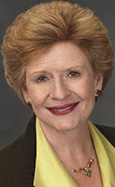
Sen. Debbie Stabenow, D-Mich.
“I firmly believe that economic security is part of our national security, and that it should be considered when our government reviews foreign investment into the United States,” Stabenow said at the hearing examining the purchase of Smithfield foods and future foreign purchases of American food companies.
“We need to evaluate how foreign purchases of our food supply will affect our economy broadly, and frankly, whether there is a level playing field when it comes to these kinds of business purchases,” she said.
Senate Agriculture Committee ranking member Thad Cochran, R-Miss., said the review by the Treasury-run Committee on Foreign Investment in the United States “must be comprehensive and take into account the full range of national security interests, including food safety.”
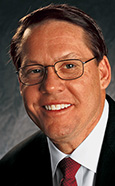
Larry Pope
Smithfield CEO Larry Pope testified that the sale would make Smithfield a better company that would serve both U.S. and foreign consumers.
The Chinese owners would keep current management and honor labor contracts, he said, adding that the sale would allow Smithfield to increase its contracts with U.S. pork producers and increase exports.
Americans are eating less pork than they did 15 years ago so the only opportunity for growth is exports, Pope said.
The sale would turn Smithfield into a privately-held company, and when Sen. Sherrod Brown, D-Ohio, asked Pope how much money he would make from the sale, the CEO acknowledged that the amount would be substantial since he owns stock in the company and would be paid a retention bonus. But he told Brown he would have to get back to him on the exact amount he would make.
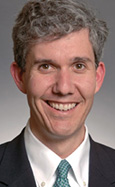
Matthew Slaughter
Matthew Slaughter, a dean and professor at the Tuck School of Business at Dartmouth College, praised the sale as the type of investment that would produce jobs in the United States.
Slaughter noted that there have been charges that the Chinese are stealing U.S. intellectual property and that this would be a way for the Chinese to pay for it, but Stabenow suggested that jobs could be created if the Chinese would just increase the purchases of U.S.-produced pork.
Stabenow noted that China has used sanitary regulations to keep out U.S. pork in the past.
Usha Haley, a professor at West Virginia University, said she believes that Shaunghui is not buying Smithfield to ease pork imports, but for its brand name and its technology.
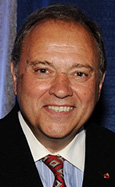
Daniel Slane
Daniel Slane, a member of the U.S.-China Economic and Security Review Commission of the U.S. Chamber of Commerce, said he fears the sale would be only the first of many sales of U.S. food companies to the Chinese. The Chinese do not like to be dependent on foreign suppliers, he said, and after they produce enough for the domestic market, they move into exporting.
The witnesses disagreed about whether Shuanghui is a state-owned enterprise, but Slane said the sale would amount to “importing a radically different economic system when we espouse free markets.”
Several Republican senators asked Pope to assure American consumers that their food prices will not go up or that food safety standards will go down. Pope noted that the company’s production would come under U.S. food safety rules and discounted the theory that Shuanghui would at some point want to export from China to the United States.
Sen. Heidi Heitkamp, D-N.D., said she hopes that the management and contracts Pope says Shuanghui will honor would still be in place in 10 years.

Sen. Mike Johanns, R-Neb.
Sen. Mike Johanns, R-Neb., a former Agriculture secretary, spoke approvingly of the sale in general terms, but added that Americans are offended that U.S. investors could not make the same kind of purchase of a company in China. But Johanns added that he does not believe there is “a legal mechanism in place that reviews this much or that could likely stop” the sale.
“I suppose Congress could act,” Johanns said, but added that the current holdup on the farm bill does not make that very likely.
The committee adjourned to move into a private briefing with Treasury Department officials. Stabenow and other senators recently wrote Treasury officials that food security should be considered a part of national security in the CFIUS process.
After the hearing, Stabenow told reporters that the CFIUS process has been too narrowly defined.
Concerning the prospect of sales of other food companies, Stabenow said, “When is it too much? At what point are we willing to say it is not in America’s interest to have our food processing industry owned by another country?”
But it remained unclear whether the committee or a Treasury Department committee charged with examining foreign investment in the United States is likely to take any action on the sale.
Sen. Debbie Stabenow, D-Mich.
“I firmly believe that economic security is part of our national security, and that it should be considered when our government reviews foreign investment into the United States,” Stabenow said at the hearing examining the purchase of Smithfield foods and future foreign purchases of American food companies.
“We need to evaluate how foreign purchases of our food supply will affect our economy broadly, and frankly, whether there is a level playing field when it comes to these kinds of business purchases,” she said.
Senate Agriculture Committee ranking member Thad Cochran, R-Miss., said the review by the Treasury-run Committee on Foreign Investment in the United States “must be comprehensive and take into account the full range of national security interests, including food safety.”
Larry Pope
Smithfield CEO Larry Pope testified that the sale would make Smithfield a better company that would serve both U.S. and foreign consumers.
The Chinese owners would keep current management and honor labor contracts, he said, adding that the sale would allow Smithfield to increase its contracts with U.S. pork producers and increase exports.
Americans are eating less pork than they did 15 years ago so the only opportunity for growth is exports, Pope said.
The sale would turn Smithfield into a privately-held company, and when Sen. Sherrod Brown, D-Ohio, asked Pope how much money he would make from the sale, the CEO acknowledged that the amount would be substantial since he owns stock in the company and would be paid a retention bonus. But he told Brown he would have to get back to him on the exact amount he would make.
Matthew Slaughter
Matthew Slaughter, a dean and professor at the Tuck School of Business at Dartmouth College, praised the sale as the type of investment that would produce jobs in the United States.
Slaughter noted that there have been charges that the Chinese are stealing U.S. intellectual property and that this would be a way for the Chinese to pay for it, but Stabenow suggested that jobs could be created if the Chinese would just increase the purchases of U.S.-produced pork.
Stabenow noted that China has used sanitary regulations to keep out U.S. pork in the past.
Usha Haley, a professor at West Virginia University, said she believes that Shaunghui is not buying Smithfield to ease pork imports, but for its brand name and its technology.
Daniel Slane
Daniel Slane, a member of the U.S.-China Economic and Security Review Commission of the U.S. Chamber of Commerce, said he fears the sale would be only the first of many sales of U.S. food companies to the Chinese. The Chinese do not like to be dependent on foreign suppliers, he said, and after they produce enough for the domestic market, they move into exporting.
The witnesses disagreed about whether Shuanghui is a state-owned enterprise, but Slane said the sale would amount to “importing a radically different economic system when we espouse free markets.”
Several Republican senators asked Pope to assure American consumers that their food prices will not go up or that food safety standards will go down. Pope noted that the company’s production would come under U.S. food safety rules and discounted the theory that Shuanghui would at some point want to export from China to the United States.
Sen. Heidi Heitkamp, D-N.D., said she hopes that the management and contracts Pope says Shuanghui will honor would still be in place in 10 years.
Sen. Mike Johanns, R-Neb.
Sen. Mike Johanns, R-Neb., a former Agriculture secretary, spoke approvingly of the sale in general terms, but added that Americans are offended that U.S. investors could not make the same kind of purchase of a company in China. But Johanns added that he does not believe there is “a legal mechanism in place that reviews this much or that could likely stop” the sale.
“I suppose Congress could act,” Johanns said, but added that the current holdup on the farm bill does not make that very likely.
The committee adjourned to move into a private briefing with Treasury Department officials. Stabenow and other senators recently wrote Treasury officials that food security should be considered a part of national security in the CFIUS process.
After the hearing, Stabenow told reporters that the CFIUS process has been too narrowly defined.
Concerning the prospect of sales of other food companies, Stabenow said, “When is it too much? At what point are we willing to say it is not in America’s interest to have our food processing industry owned by another country?”
- Sen. Debbie Stabenow — Opening Statement
- Matthew J. Slaughter, Dartmouth College — Smithfield and Beyond: Examining Foreign Purchases of American Food Companies
- Usha Haley, West Virginia University — Testimony
- Daniel Slane, U.S. Chamber of Commerce — Impact of Shuanghui International Group’s Acquisition of Smithfield Foods
- C. Larry Pope, Smithfield Foods president and CEO — Testimony
- Senate Coalition Letter to Treasury Secretary Lew
- Treasury Letter to Stabenow
