Harkin, Chambliss announce they will not run for re-election
January 28, 2013 | 12:05 AM
Two former chairmen of the Senate Agriculture Committee who are still members of the committee announced on Friday that they will not run for re-election in 2014.
News of the decision by Sens. Tom Harkin, D-Iowa, and Saxby Chambliss, R-Ga., not to run again is expected to set off a mad scramble among candidates in both parties in their states, with the outcome dependent on candidate appeal to middle-of-the-road voters.
Harkin and Chambliss gave quite different reasons for their decisions.
 Sen. Tom Harkin, D-Iowa
Harkin, 73, emphasized his age and a promise to his wife to retire while they are still in good health, while Chambliss, 69, emphasized his frustration with life in Washington.
“First, I’m going to fulfill a promise that I made to my wife, Ruth, and that I also made to myself,” Harkin said in a statement issued in his hometown of Cumming, Iowa.
“It's a promise that we’re going to do certain things together — and that we’re going to live together in a way we’ve often talked about — before it gets too late. That’s a decision I believe many Iowans can relate to, either because of their own circumstances, or perhaps those of their parents.”
“Second, I'm 73 years old right now. At the end of this term I’ll be 75. When the current Congress is over, I will have served in the U.S. House of Representatives and the U.S. Senate for a total of 40 years. After 40 years, I just feel it’s somebody else’s turn. I can’t put into words what an honor it is to serve Iowa.”
Harkin said he would not retire from public life, but would “make way for someone new in this Senate seat. I think that is right not just for me, but for Iowa, as well.”
Harkin chaired the Senate Agriculture Committee when the 2002 and 2008 farm bills were passed, but gave up that chairmanship to become chairman of the Senate Health, Education, Labor and Pensions Committee in 2011. He said that one of his priorities would be to “advance farm policy that improves and strengthens a number of initiatives that we included in previous farm bills to assist and promote opportunities for farmers and good nutrition for consumers through farmers markets and increased local production and marketing of food.”
President Barack Obama noted in a statement that Harkin has served in the Senate longer than any Democrat in Iowa’s history.
“During his tenure, he has fought passionately to improve quality of life for Americans with disabilities and their families, to reform our education system and ensure that every American has access to affordable health care,” Obama said.
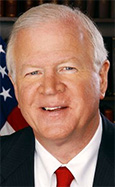 Sen. Saxby Chambliss, R-Ga.
Chambliss also said he looks forward to a life after elective office.
“I’m going to have a life after this,” Chambliss told supporters on a conference call, according to a report in the Atlanta Journal Constitution. “Sitting on a back porch drinking whiskey with some of y’all is exciting to think about.”
But in his formal statement, Chambliss stressed his dissatisfaction with political life.
There have been reports that he feared more conservative Republicans would run against him in a primary, but Chambliss noted he had won more votes than any other statewide candidate in the history of Georgia and that he believed he would have won if he ran again.
“Instead, this is about frustration, both at a lack of leadership from the White House and at the dearth of meaningful action from Congress, especially on issues that are the foundation of our nation’s economic health,” Chambliss said.
“The debt-ceiling debacle of 2011 and the recent fiscal-cliff vote showed Congress at its worst and, sadly, I don’t see the legislative gridlock and partisan posturing improving anytime soon. For our nation to be strong, for our country to prosper, we cannot continue to play politics with the American economy.”
By the time he completes this term, Chambliss will have served in the House and Senate for 20 years, half as long as Harkin. He said he had never intended to stay in Washington so long, but noted he would continue to play a role in public life.
Chambliss was elected to Congress to represent Georgia’s 8th District in 1994 and was elected to the Senate in 2002.
He served as chairman of the Senate Agriculture Committee in the 109th Congress and is the only senator since 1947 to have chaired a full standing Senate committee after serving in the chamber for just two years. He served as ranking member of the Agriculture Committee during the 110th and 111th Congresses.
He left the highest ranking Republican position on Agriculture to become the ranking member on the Senate Select Intelligence Committee, where he holds the title of vice chairman.
Chambliss also serves on the Senate Armed Services Committee and although he mentioned his work on farm bills and crop insurance, he said “Perhaps the greatest honor has been to champion our men and women in uniform, their families, and the Georgia military bases and contractors who create private-sector jobs.”
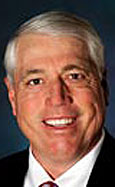 Chuck Coley
National Cotton Council Chairman Chuck Coley said in a statement over the weekend that “U.S. agriculture will be losing a true champion” when Chambliss leaves Washington.
Coley, a Vienna, Ga. cotton producer and ginner, said Chambliss has been “extraordinarily responsive to the concerns of production agriculture, including cotton. He has demonstrated a depth of knowledge about production agriculture, conservation, nutrition and research programs as evidenced by his work on the 1996, 2002, 2008 and 2012 farm bills.”
Regarding federal farm programs, Coley said Chambliss “sought to ensure U.S. producers were not harmed by over-reaching statutes governing payment limits and payment eligibility and warehouse storage credits. He led efforts to get much-needed disaster assistance approved. He also worked tirelessly at preventing the passage of legislation governing environmental issues that threatened to undermine agriculture’s viability, among them pesticide permitting and greenhouse gas regulations.”
Coley also noted that Chambliss intervened on behalf of U.S. cotton in trade negotiations and opposed “early harvest” resolutions in the cotton text of the World Trade Organization Doha Round negotiations, saying he could not support any resolution of the cotton issue “without the conclusion of an underlying agriculture agreement.”
“Sen. Chambliss responded to the needs of the entire Cotton Belt and to all U.S. cotton industry segments, including textile manufacturers,” Coley said, adding that he has supported continuation of the Economic Adjustment Assistance Program for domestic textile manufacturers.
News of the decision by Sens. Tom Harkin, D-Iowa, and Saxby Chambliss, R-Ga., not to run again is expected to set off a mad scramble among candidates in both parties in their states, with the outcome dependent on candidate appeal to middle-of-the-road voters.
Harkin and Chambliss gave quite different reasons for their decisions.
Harkin, 73, emphasized his age and a promise to his wife to retire while they are still in good health, while Chambliss, 69, emphasized his frustration with life in Washington.
“First, I’m going to fulfill a promise that I made to my wife, Ruth, and that I also made to myself,” Harkin said in a statement issued in his hometown of Cumming, Iowa.
“It's a promise that we’re going to do certain things together — and that we’re going to live together in a way we’ve often talked about — before it gets too late. That’s a decision I believe many Iowans can relate to, either because of their own circumstances, or perhaps those of their parents.”
“Second, I'm 73 years old right now. At the end of this term I’ll be 75. When the current Congress is over, I will have served in the U.S. House of Representatives and the U.S. Senate for a total of 40 years. After 40 years, I just feel it’s somebody else’s turn. I can’t put into words what an honor it is to serve Iowa.”
Harkin said he would not retire from public life, but would “make way for someone new in this Senate seat. I think that is right not just for me, but for Iowa, as well.”
Harkin chaired the Senate Agriculture Committee when the 2002 and 2008 farm bills were passed, but gave up that chairmanship to become chairman of the Senate Health, Education, Labor and Pensions Committee in 2011. He said that one of his priorities would be to “advance farm policy that improves and strengthens a number of initiatives that we included in previous farm bills to assist and promote opportunities for farmers and good nutrition for consumers through farmers markets and increased local production and marketing of food.”
President Barack Obama noted in a statement that Harkin has served in the Senate longer than any Democrat in Iowa’s history.
“During his tenure, he has fought passionately to improve quality of life for Americans with disabilities and their families, to reform our education system and ensure that every American has access to affordable health care,” Obama said.
Chambliss also said he looks forward to a life after elective office.
“I’m going to have a life after this,” Chambliss told supporters on a conference call, according to a report in the Atlanta Journal Constitution. “Sitting on a back porch drinking whiskey with some of y’all is exciting to think about.”
But in his formal statement, Chambliss stressed his dissatisfaction with political life.
There have been reports that he feared more conservative Republicans would run against him in a primary, but Chambliss noted he had won more votes than any other statewide candidate in the history of Georgia and that he believed he would have won if he ran again.
“Instead, this is about frustration, both at a lack of leadership from the White House and at the dearth of meaningful action from Congress, especially on issues that are the foundation of our nation’s economic health,” Chambliss said.
“The debt-ceiling debacle of 2011 and the recent fiscal-cliff vote showed Congress at its worst and, sadly, I don’t see the legislative gridlock and partisan posturing improving anytime soon. For our nation to be strong, for our country to prosper, we cannot continue to play politics with the American economy.”
By the time he completes this term, Chambliss will have served in the House and Senate for 20 years, half as long as Harkin. He said he had never intended to stay in Washington so long, but noted he would continue to play a role in public life.
Chambliss was elected to Congress to represent Georgia’s 8th District in 1994 and was elected to the Senate in 2002.
He served as chairman of the Senate Agriculture Committee in the 109th Congress and is the only senator since 1947 to have chaired a full standing Senate committee after serving in the chamber for just two years. He served as ranking member of the Agriculture Committee during the 110th and 111th Congresses.
He left the highest ranking Republican position on Agriculture to become the ranking member on the Senate Select Intelligence Committee, where he holds the title of vice chairman.
Chambliss also serves on the Senate Armed Services Committee and although he mentioned his work on farm bills and crop insurance, he said “Perhaps the greatest honor has been to champion our men and women in uniform, their families, and the Georgia military bases and contractors who create private-sector jobs.”
National Cotton Council Chairman Chuck Coley said in a statement over the weekend that “U.S. agriculture will be losing a true champion” when Chambliss leaves Washington.
Coley, a Vienna, Ga. cotton producer and ginner, said Chambliss has been “extraordinarily responsive to the concerns of production agriculture, including cotton. He has demonstrated a depth of knowledge about production agriculture, conservation, nutrition and research programs as evidenced by his work on the 1996, 2002, 2008 and 2012 farm bills.”
Regarding federal farm programs, Coley said Chambliss “sought to ensure U.S. producers were not harmed by over-reaching statutes governing payment limits and payment eligibility and warehouse storage credits. He led efforts to get much-needed disaster assistance approved. He also worked tirelessly at preventing the passage of legislation governing environmental issues that threatened to undermine agriculture’s viability, among them pesticide permitting and greenhouse gas regulations.”
Coley also noted that Chambliss intervened on behalf of U.S. cotton in trade negotiations and opposed “early harvest” resolutions in the cotton text of the World Trade Organization Doha Round negotiations, saying he could not support any resolution of the cotton issue “without the conclusion of an underlying agriculture agreement.”
“Sen. Chambliss responded to the needs of the entire Cotton Belt and to all U.S. cotton industry segments, including textile manufacturers,” Coley said, adding that he has supported continuation of the Economic Adjustment Assistance Program for domestic textile manufacturers.
