EPA regulation concerns continue to stir dust with GOP
September 09, 2011 | 05:40 PM
Congressional Republicans are clearly running out of patience with Environmental Protection Agency Administrator Lisa Jackson, even though Jackson, President Barack Obama and Agriculture Secretary Tom Vilsack have said farmers have much less to worry about at EPA than they think.
On Thursday, House Agriculture Committee Chairman Frank Lucas, R-Okla., wrote Jackson to ask her why she had not answered questions submitted to her by a bipartisan group of lawmakers after she testified before the committee on March 10. In addition, House and Senate Republicans issued news releases this week touting bills they want to pass to stop the agency from proposing a regulation to control dust on rural roads.
In her testimony, Jackson said there were many “myths” about EPA planning to impose drastic regulations on rural America. In the letter, Lucas asked Jackson to “clarify your agency’s intentions and the potential effects EPA actions will have on agriculture. We sent these questions nearly six months ago, and have yet to receive a response.”
Brendan Gilfillan, the EPA deputy associate administrator for external affairs and environmental education, told The Hagstrom Report in an email today that the agency is working “on the responses [to the questions in the letter] and we hope to have them shortly.”
On the issue of farm dust, Gilfillan noted that EPA is mandated under the Clean Air Act to review national air standards every five years and is conducting that review.
“We don't have an update on farm dust,” Gilfillan said. “We have no plans to put stricter standards in place.”
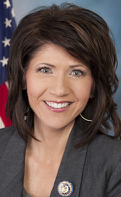 Rep. Kristi Noem, R-S.D., said in a news release that a bill she introduced with Rep. Robert Hurt, R-Va., to stop the agency from implementing stricter standards is gaining momentum because House Majority Leader Eric Cantor, R-Va., announced August 29 that he plans a vote on the bill in the House this winter as part of a GOP jobs agenda, and because Sens. Mike Johanns, R-Neb., and Charles Grassley, R-Iowa, introduced a companion measure in the Senate.
“These developments are a clear indication that we’re gaining momentum for the commonsense idea that rural America, including South Dakota, doesn’t need any more dust regulation at this point,” Noem said. “This is a big win for farmers and ranchers who already have enough uncertainty associated with their business. If we want to create the environment for job growth then we need to get burdensome regulations out of the picture.”
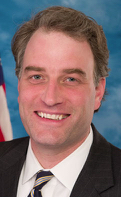 Hurt said, “With unemployment remaining unacceptably high in the 5th District and across the country, it is critical that we continue to adopt commonsense, pro-growth policies that seek to remove the federal government as a roadblock to job creation. By reducing unnecessary federal dust regulations on our farmers and small businesses, H.R. 1633 will help restore certainty to the marketplace so that our true job creators will have the confidence and freedom necessary to innovate, expand, and hire."
Johanns noted in a news release that the bill would prevent EPA from regulating dust in rural America unless no local regulations are in place. Additionally, EPA would have to identify scientific evidence of substantial adverse health effects of farm dust as well as demonstrate that the benefits of regulation outweigh the costs to communities, he said.
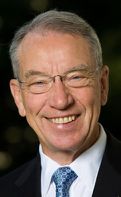 “In each of my most recent town hall meetings, the excessive amount of regulations coming out of Washington, D.C. and the impact on small businesses and rural communities was a top issue,” Grassley said in a news release. “The dust rule is a perfect example. It makes no sense to regulate the dust coming out of a combine harvesting soybeans or the dust off a gravel road of a pick-up truck traveling into town. If the administration were to decide to revise the standard, farmers and livestock producers will likely be unable to attain the standard levels and the rural economy would be devastated.”
Jackson told the North American Agricultural Journalists in April that dust has a definite relationship to heart disease. A scientific board has recommended lowering the allowable standard for particulate matter, but Jackson told the journalists that the EPA staff has said the standard could be left the same or lowered, and that she would make a final decision on the matter in the next few months.
But when a reporter said that one farm group had suggested members make plans to lower the speed of trucks and plan to use water to reduce dust, Jackson said that, while she appreciates the desire to anticipate the agency's actions, farmers and others potentially affected by the regulation should wait until the agency acts before taking any steps.
“Wait, wait before you start spending money,” she said.
When Obama went on his rural tour this summer, he told farmers that lobbyists often gin up concerns about proposed regulations, and that farmers should ask USDA what is going on with regulations. Vilsack has promised that local USDA offices will keep farmers up to date on the regulatory issues.
But with no schedule for EPA announcing a decision on rural dust, pressure to stop the agency from imposing a stricter standard has increased.
Noem noted that her bill has been endorsed by the American Farm Bureau, National Cattlemen's Beef Association, Public Lands Council, the Western Business Roundtable, National Federation of Independent Business, South Dakota Farm Bureau and South Dakota Cattlemen's Association.
Grassley said that the bill defines nuisance dust in a way that would exclude the type of dust typical of rural areas (unpaved roads and dust resulting from agricultural activities) from the National Ambient Air Quality Standards regulation targeted at harmful air pollutants.
If the state, tribal, or local government chooses to regulate nuisance dust, these regulations would supersede any regulations put forth by the federal government under the Clean Air Act.
If there are no local regulations in place and the EPA wants to regulate this type of dust, the EPA must find that the specific type of dust or particulate matter causes adverse health effects, and that the benefits of applying EPA’s standard to that area outweigh the costs to the local and regional communities, including economic and employment impacts.
“The Clean Air Act does not currently differentiate between urban and rural dust, so this provides the EPA with a distinction between the two for implementation of air quality standards,” Grassley noted.
The Senate Western Caucus, chaired by Sen. John Barrasso, R-Wyo., and the Western Congressional Caucus, chaired by Rep. Steven Pearce, R-N.M., also listed the rural dust bills as part of the job creation agenda in the report they released this week. The caucuses are composed of Republican members.
On Thursday, House Agriculture Committee Chairman Frank Lucas, R-Okla., wrote Jackson to ask her why she had not answered questions submitted to her by a bipartisan group of lawmakers after she testified before the committee on March 10. In addition, House and Senate Republicans issued news releases this week touting bills they want to pass to stop the agency from proposing a regulation to control dust on rural roads.
In her testimony, Jackson said there were many “myths” about EPA planning to impose drastic regulations on rural America. In the letter, Lucas asked Jackson to “clarify your agency’s intentions and the potential effects EPA actions will have on agriculture. We sent these questions nearly six months ago, and have yet to receive a response.”
Brendan Gilfillan, the EPA deputy associate administrator for external affairs and environmental education, told The Hagstrom Report in an email today that the agency is working “on the responses [to the questions in the letter] and we hope to have them shortly.”
On the issue of farm dust, Gilfillan noted that EPA is mandated under the Clean Air Act to review national air standards every five years and is conducting that review.
“We don't have an update on farm dust,” Gilfillan said. “We have no plans to put stricter standards in place.”
“These developments are a clear indication that we’re gaining momentum for the commonsense idea that rural America, including South Dakota, doesn’t need any more dust regulation at this point,” Noem said. “This is a big win for farmers and ranchers who already have enough uncertainty associated with their business. If we want to create the environment for job growth then we need to get burdensome regulations out of the picture.”
Johanns noted in a news release that the bill would prevent EPA from regulating dust in rural America unless no local regulations are in place. Additionally, EPA would have to identify scientific evidence of substantial adverse health effects of farm dust as well as demonstrate that the benefits of regulation outweigh the costs to communities, he said.
Jackson told the North American Agricultural Journalists in April that dust has a definite relationship to heart disease. A scientific board has recommended lowering the allowable standard for particulate matter, but Jackson told the journalists that the EPA staff has said the standard could be left the same or lowered, and that she would make a final decision on the matter in the next few months.
But when a reporter said that one farm group had suggested members make plans to lower the speed of trucks and plan to use water to reduce dust, Jackson said that, while she appreciates the desire to anticipate the agency's actions, farmers and others potentially affected by the regulation should wait until the agency acts before taking any steps.
“Wait, wait before you start spending money,” she said.
When Obama went on his rural tour this summer, he told farmers that lobbyists often gin up concerns about proposed regulations, and that farmers should ask USDA what is going on with regulations. Vilsack has promised that local USDA offices will keep farmers up to date on the regulatory issues.
But with no schedule for EPA announcing a decision on rural dust, pressure to stop the agency from imposing a stricter standard has increased.
Noem noted that her bill has been endorsed by the American Farm Bureau, National Cattlemen's Beef Association, Public Lands Council, the Western Business Roundtable, National Federation of Independent Business, South Dakota Farm Bureau and South Dakota Cattlemen's Association.
Grassley said that the bill defines nuisance dust in a way that would exclude the type of dust typical of rural areas (unpaved roads and dust resulting from agricultural activities) from the National Ambient Air Quality Standards regulation targeted at harmful air pollutants.
If the state, tribal, or local government chooses to regulate nuisance dust, these regulations would supersede any regulations put forth by the federal government under the Clean Air Act.
If there are no local regulations in place and the EPA wants to regulate this type of dust, the EPA must find that the specific type of dust or particulate matter causes adverse health effects, and that the benefits of applying EPA’s standard to that area outweigh the costs to the local and regional communities, including economic and employment impacts.
“The Clean Air Act does not currently differentiate between urban and rural dust, so this provides the EPA with a distinction between the two for implementation of air quality standards,” Grassley noted.
The Senate Western Caucus, chaired by Sen. John Barrasso, R-Wyo., and the Western Congressional Caucus, chaired by Rep. Steven Pearce, R-N.M., also listed the rural dust bills as part of the job creation agenda in the report they released this week. The caucuses are composed of Republican members.
